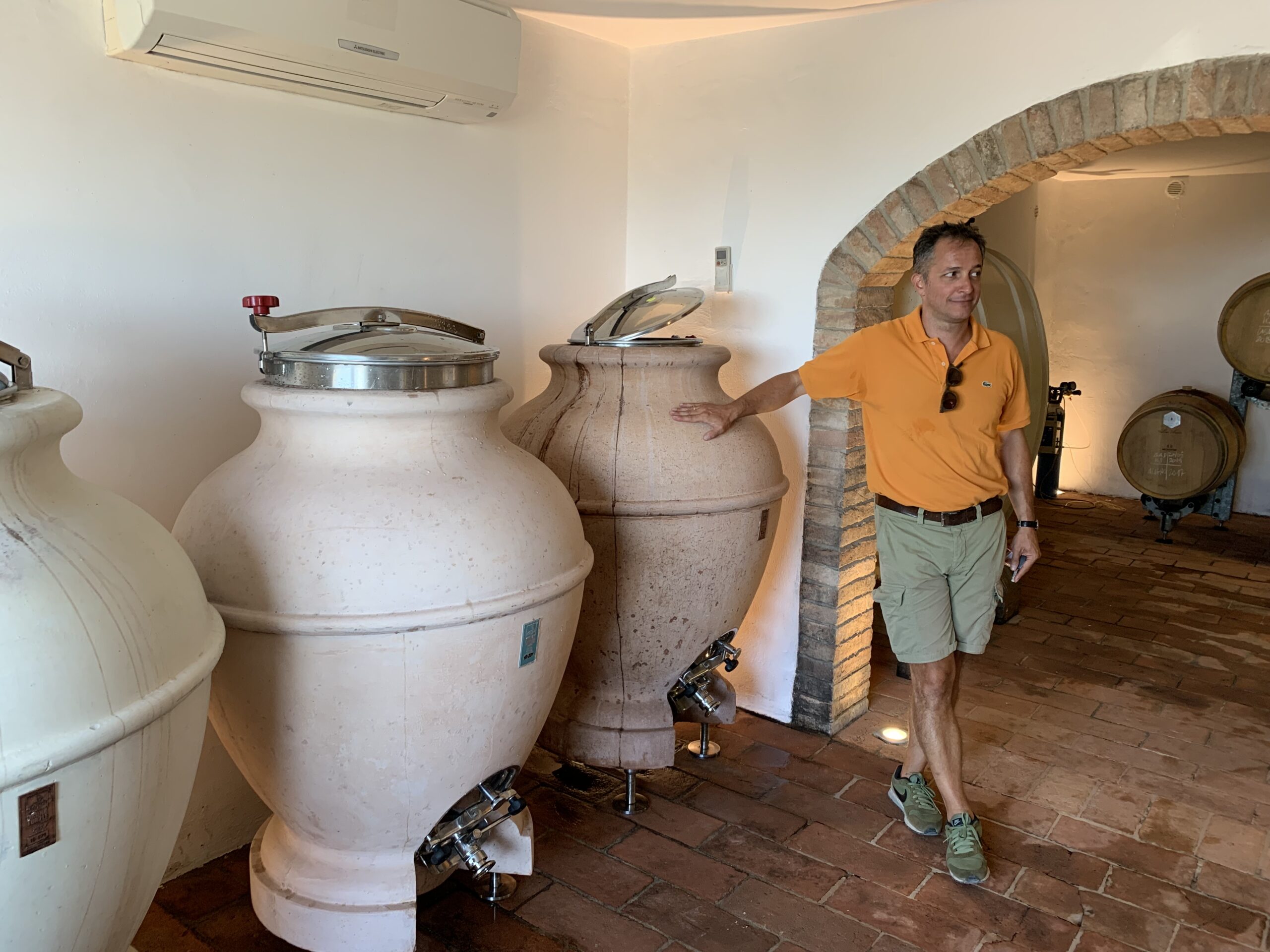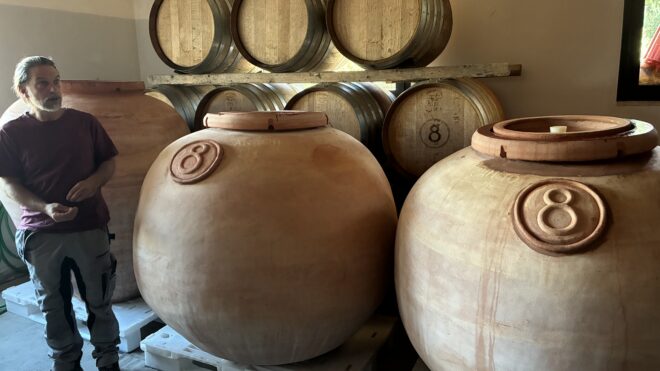
Wine tourism in Italy is no longer just about tasting great bottles—it’s about understanding how wine is made and why it tastes the way it does. Travelers joining De Gustibus Tours often encounter terms like organic wine, biodynamic wine, and natural wine during vineyard visits and tastings.
These styles reflect different approaches to sustainability, tradition, and winemaking philosophy. Experiencing them directly – walking through vineyards, meeting producers, and tasting on site – is the best way to truly understand their differences.
1 – Organic Wine: Sustainable Vineyards and Authentic Flavors
Organic wine focuses on farming practices that respect the environment. Grapes are grown without synthetic pesticides, herbicides, or chemical fertilizers. Instead, organic producers rely on natural methods to protect vines and maintain healthy soils.
In Europe, organic wine is regulated and certified, covering both vineyard management and winemaking practices. As critics like James Suckling and Robert Parker have often noted, organic farming alone doesn’t guarantee quality—but it creates the foundation for expressive, terroir-driven wines.
During De Gustibus Tours, visits to organic wineries allow travelers to see sustainable viticulture in action while enjoying wines that are fresh, balanced, and deeply connected to their region.
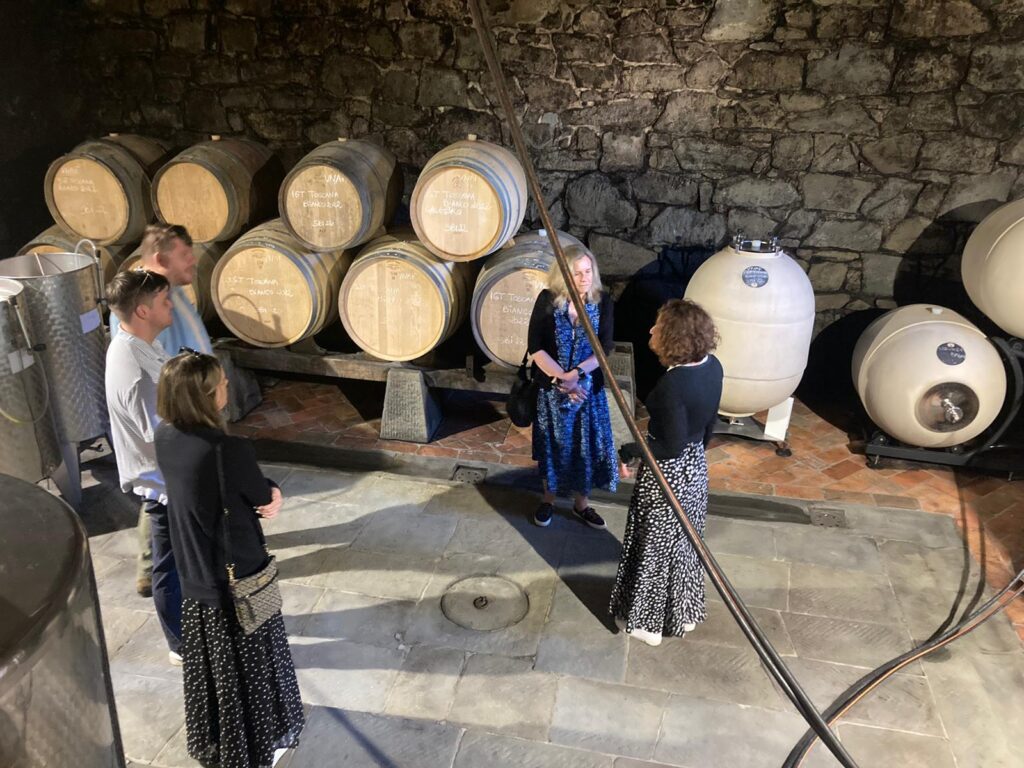
2 – Biodynamic Wine: Tradition, Terroir and Holistic Farming
Biodynamic wine goes beyond organic principles by treating the vineyard as a complete living system. Biodynamic producers follow organic rules while also using natural preparations and working in harmony with lunar and seasonal cycles.
Although biodynamic farming can seem unconventional, many of the world’s most prestigious wineries – particularly in Tuscany, Piedmont, and Burgundy – have embraced this approach. James Suckling has praised the energy and precision of biodynamic wines, while Robert Parker has acknowledged their high quality, regardless of philosophical debates.
For wine travelers, biodynamic wineries often offer deeply immersive experiences. These visits highlight the connection between land, tradition, and craftsmanship – an essential part of the wine tourism experiences curated by De Gustibus Tours.
3 – Natural Wine: Minimal Intervention, Maximum Expression
Natural wine is the most informal and least regulated category. While there is no official definition, natural wines generally come from organic or biodynamic vineyards and are made with minimal intervention in the cellar. Typical characteristics include:
* Native yeast fermentation
* Little or no added sulfites
* No heavy filtration or manipulation
Natural wines are known for their individuality and authenticity. Some traditional critics have been cautious, while many modern wine bloggers and younger audiences celebrate natural wines for their raw, expressive character.
On De Gustibus Tours itineraries, natural wine tastings often take place in small, family-run wineries, offering travelers an intimate and personal perspective on modern Italian winemaking. Want to know more? Contact us at tours@de-gustibus.it !